

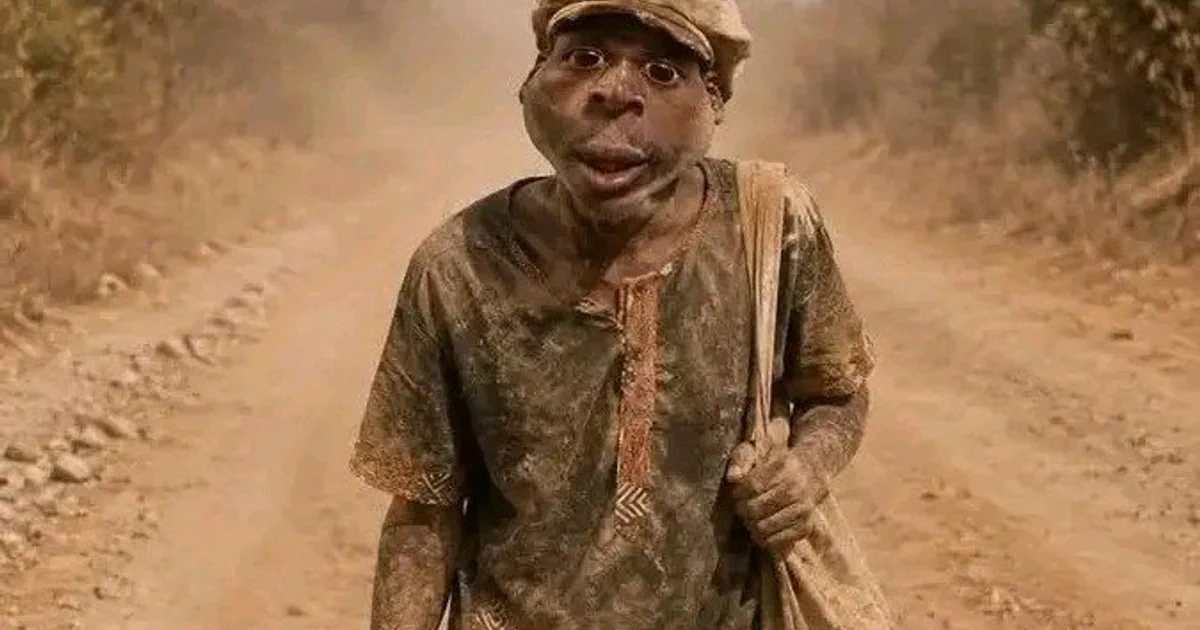
Karanja adjusted his faded safari jacket, checked his reflection in the tinted glass of a Bata shoe shop window, and muttered a silent prayer to whatever ancestors govern the patience of Nairobi bachelors. He was thirty-two, possessed a diploma in clearing and forwarding that he used roughly as often as a bicycle in a swamp, and had a heart carved out of pure, unadulterated optimism.
Optimism, in Kenya, is a dangerous neighborhood. It is the cousin of delusion.
Across the street, right outside the National Archives where the heavy scent of roasted maize and diesel exhaust hung like a permanent awning, stood Brenda. Brenda was a vision in a lilac bodycon dress that defied both economic gravity and the biting chill of a July Nairobi drizzle. Brenda was marketing executive material; Karanja was a man whose greatest financial asset was a Safaricom line with twelve bob and a prayer.
"Karanja," Brenda said as he approached, her voice dripping with that distinct corporate smoothness that usually preceded a request for a quick thousand shillings for Uber. "You look... presentable. For once."
"Brenda," Karanja puffed, his chest out. "A lion does not dress for the village; he dresses for the savannah."
"You are looking at the savannah all right," Brenda sighed, checking her manicure. "Specifically, the dry season. Look, Karanja. Let us not waste time. You are a good guy. You buy me chips masala at Java. You listen to my complaints about my rogue boss, Mr. Omondi. But my mother did not send me to Nairobi from Kisii to come and share a one-bedroom in Umoja with a man whose primary source of income is hoping his uncle in America remembers he exists."
Karanja felt a sudden, violent draft pass through his ribs. "Umoja? Who said Umoja? I live in... near the bypass!"
"You live in a bedsitter where the shower shares a wall with the kitchen sink," Brenda corrected flatly. "And today, my real boyfriend—the one who drives a V8 with tinted windows and calls himself an 'international consultant'—is picking me up. I’m moving in with him in Kileleshwa. I needed a soft landing while I was sorting my things, and congratulations, Karanja, you were the air cushion."
There was a profound, cosmic silence between them. Somewhere nearby, a tout hanging out of a Umoiner matatu shouted, "Mfangano! Town moja! 50 bob!" as if mocking the precise valuation of Karanja's dignity.
And then, it happened. Not a dramatic movie realization, but a gritty, microscopic collapse of reality. The fine, grey particulate matter of absolute, unmitigated rejection settled over Karanja’s eyebrows, his collar, and his very soul. He didn't just lose a girlfriend; he was initiated into the ancient, silent fellowship of the defeated. He had officially seen dust.
As Brenda’s V8—driven by a man whose cologne smelled aggressively like expensive tax evasion—splashed muddy gutter water over Karanja’s second-best trousers, Karanja didn’t cry. He stood there, frozen, until an old newspaper blew past his shin and stuck to his lace-up shoe like a stamp of approval from the Ministry of Heartbreak.
"Welcome," a voice rasped beside him.
Karanja turned. An old man wearing a tattered Gor Mahia jersey and carrying a sack of scrap metal was standing next to him, staring blankly at the receding tail lights of the V8.
"Eh?" Karanja blinked.
"You have seen dust, my friend," the old man said sagely, spitting a stream of brown red-bull saliva into the gutter. "I saw dust...
Loading comments...
Related Stories
Explore More Topics
No topics available at the moment