
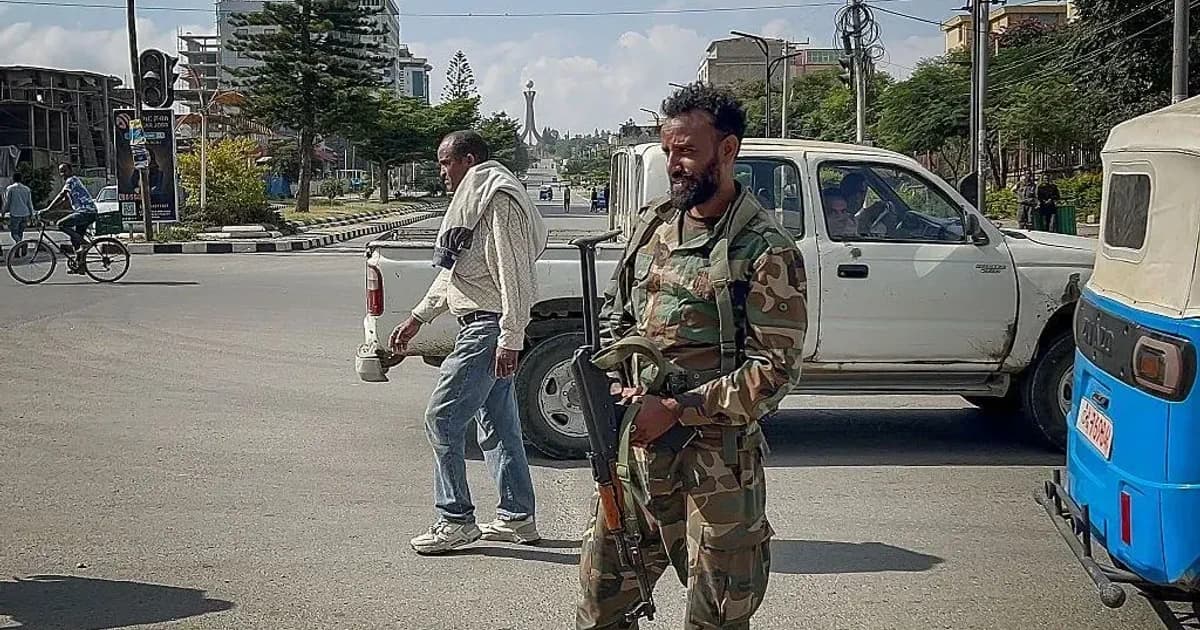
Ethiopia and Tigray, why they are fighting.
In the early hours of September 23, 2026, Tigrayan forces took over the airports in Mekelle, Shire and Axum from federal police. Within a day, fighting had spilled into the neighbouring Afar and Amhara regions, Ethiopian Airlines had cancelled every flight into Tigray, and Tigray's leaders were describing the situation as a full-blown war with the federal government.
For anyone who lived through, or followed, the 2020–2022 Tigray war, this is a nightmare re-run. That conflict killed an estimated 600,000 people, according to African Union figures, through combat, massacres, sexual violence and famine. It ended with the Pretoria Agreement in November 2022, and the world mostly moved on.
So why are the Ethiopian National Defence Force (ENDF) and the forces of the Tigray People's Liberation Front (TPLF) fighting again?
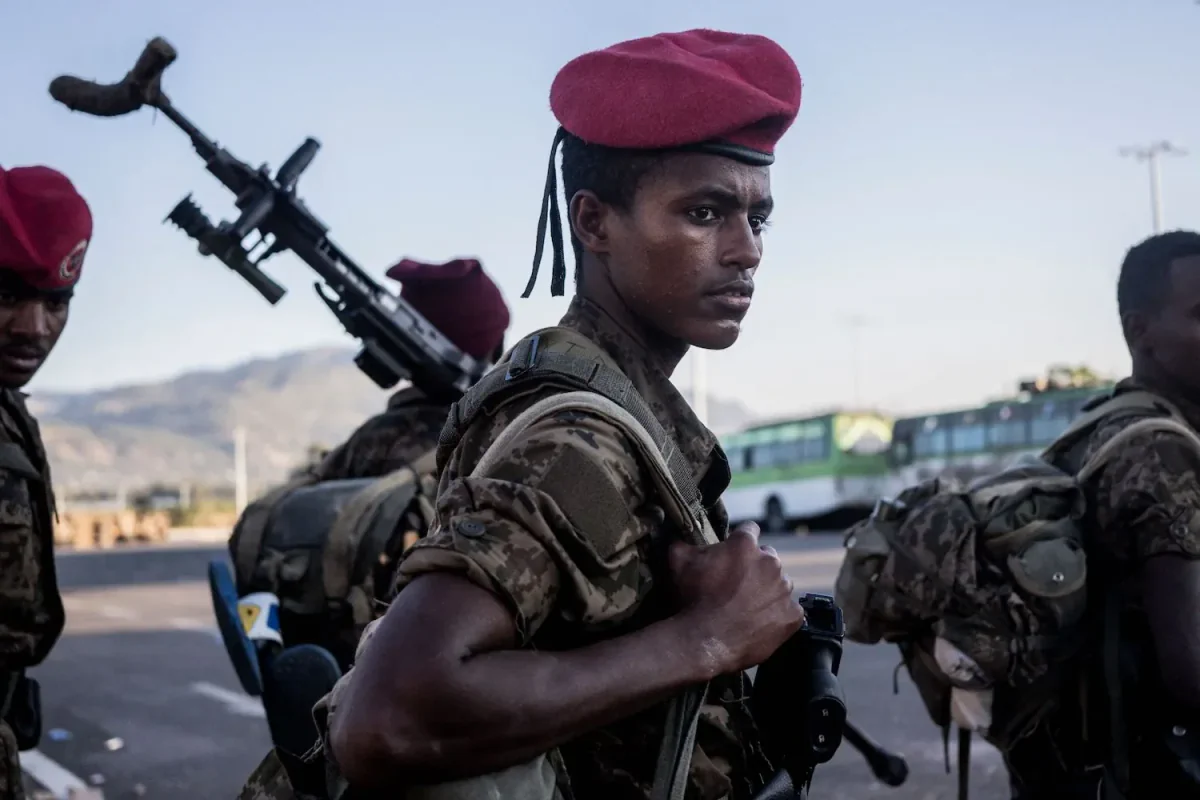
The short answer: Pretoria stopped the shooting, but it never settled the questions that started the war. Who rules Tigray, who owns Western Tigray, and how much power Tigray's old ruling party should have inside Ethiopia were all left hanging. Over 2025 and 2026, each of those questions came back to a boil at the same time.
First, a little history
Tigray is Ethiopia's northernmost region, home to roughly six million people, about 6% of the country's population. Despite its size, it has punched far above its weight. The TPLF was the guerrilla movement that helped topple Ethiopia's military regime in 1991, and its leader, Meles Zenawi, governed the country until his death in 2012. For close to three decades, the TPLF was the dominant force in Ethiopia's ruling coalition.
That changed in 2018, when Abiy Ahmed became prime minister. Abiy dismantled the old coalition, sidelined the TPLF, and made peace with Eritrea, the TPLF's bitter enemy, winning a Nobel Peace Prize in the process. The TPLF retreated to Tigray, held a regional election in 2020 that Addis Ababa called illegal, and relations collapsed. In November 2020, the federal government sent troops into Tigray after accusing the TPLF of attacking federal army bases. Eritrean troops and Amhara militias fought alongside the federal army.
Two years later, under African Union mediation, the two sides signed the Pretoria Agreement: the TPLF would disarm, federal authority would be restored, an interim administration would run Tigray until elections, and disputed issues would be settled through the constitution.
Almost none of that went to plan.
Reason 1: A fight over who governs Tigray
The Interim Regional Administration set up in 2023 quickly became a battleground, not between Tigray and Addis Ababa, but inside Tigray itself. A more federally cooperative camp led by interim president Getachew Reda clashed with TPLF hardliners around party chairman Debretsion Gebremichael. The hardliners won: Getachew was pushed out and replaced in 2025 by Lieutenant General Tadesse Werede, a former commander of Tigray's forces. Getachew later went on to work as an adviser to Abiy.
Then Ethiopia's electoral board cancelled the TPLF's registration as a political party in May 2025. That effectively locked Tigray's dominant political force out of the national elections held in June 2026. Analysts warned at the time that this looked uncomfortably like a replay of the 2020 election dispute...
Loading comments...
Related Stories
Explore More Topics
No topics available at the moment